
Reflections on Lent and Ramadan: Shared Journeys of Faith and Renewal
Our City Centre Minister, Judith Marshall, shares a reflection on the similarities between Lent and Ramadan…
It’s February already, and whilst it’s hard to believe, Lent is upon us once again. The cycle of seasons seems to move so swiftly; no sooner have the shops emptied their shelves of Christmas chocolates than Easter Eggs begin to appear, almost as a reminder of the next chapter in the calendar of traditions. This rapid transition can be quite striking, as it reflects how quickly time passes and how our lives can be shaped by these recurring festivities.
I realise that for many of you reading this, Lent may mean little or nothing, so let me take a moment to explain briefly what it’s all about. Lent is a period of time that begins on Ash Wednesday and continues until Easter Sunday, lasting just over six weeks—specifically, for 40 days. This timeframe is significant because it mirrors the account in the Bible, which tells us that Jesus fasted for 40 days in the wilderness before embarking upon his ministry. The number 40 itself holds symbolic importance in Christian tradition, often representing a period of testing, preparation, and transformation.
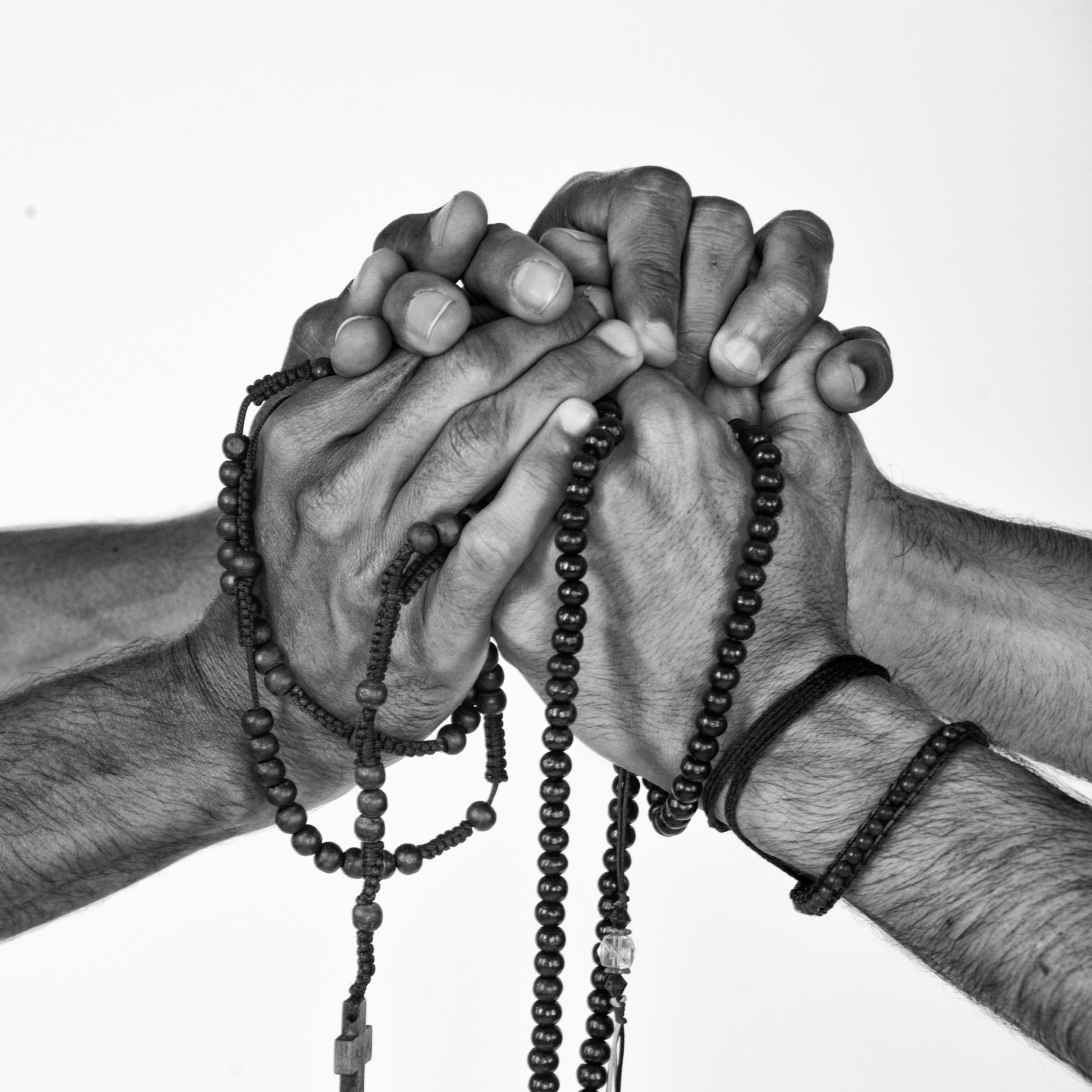
For Christians, Lent is far more than a mere historical commemoration; it is a deeply spiritual time marked by reflection, prayer, and repentance. Many see Lent as an opportunity for spiritual preparation leading up to Easter Sunday, the day that celebrates the resurrection of Jesus—a central moment in the Christian faith. During Lent, believers are encouraged to take stock of their lives, seek forgiveness, and renew their relationship with God. This period is often characterised by self-denial or sacrifice; people may ‘give something up’ such as chocolate, alcohol, or social media, using the act of abstention as a form of discipline and devotion. Others choose to fast or to eat more simply, thereby reminding themselves of those who have less and cultivating gratitude and humility.
However, Lent is not solely about giving things up. Many choose to take something up instead—perhaps engaging in acts of kindness, volunteering in their communities, or spending more time supporting those in need. It’s also common for Christians to become more intentional about their prayer life, or to devote additional time to reading the Bible, seeking deeper understanding and connection. In essence, Lent is a time for personal and collective renewal, encouraging individuals to reflect on their lives, make positive changes, and draw closer to God and to others.
This year, something remarkable is happening: Lent coincides with Ramadan. The beginning of Lent is determined by the date of Easter Sunday, which itself varies each year, while Ramadan’s commencement depends on the sighting of the new moon in the ninth month of the Islamic calendar—a system entirely distinct from the Christian method of timekeeping. It is quite rare for these two important observances from different faith traditions to overlap in this way, and their convergence presents a unique opportunity for reflection and connection.
So, what exactly is Ramadan? Ramadan is considered a sacred month in Islam, during which Muslims dedicate themselves to spiritual reflection, self-control, and acts of generosity. One of the central practices during Ramadan is fasting, which takes place from dawn until sunset each day. This fast is not only about abstaining from food and drink, but also about cultivating patience, humility, and compassion. Muslims use this time to seek forgiveness, purify their hearts, and strengthen their relationship with God. Alongside fasting, many also engage in increased prayer, charitable giving, and efforts to support those who are less fortunate.
When we look at Lent and Ramadan side by side, it’s striking how two religious observances from distinct faith traditions share profound similarities in both purpose and practice. At their core, both serve as periods of reflection, self-discipline, and renewal, each with the aim of developing a closer relationship with God. Both encourage believers to examine their lives, embrace humility, and extend generosity to others. The emphasis on fasting, prayer, and charitable acts is evident in both traditions, highlighting universal values that transcend religious boundaries.
This overlap in observance offers a wonderful opportunity to recognise our shared humanity across the two faiths. There is so much we can learn from one another by engaging with these parallel experiences. In a world that often feels divided and polarised, occasions like this provide us with the chance to bridge gaps, foster dialogue, and participate in each other’s traditions and practices. By recognising and celebrating our shared values, we can promote greater understanding, empathy, and respect for one another, helping to build more inclusive and harmonious communities.
Jesus instructs us to love our neighbour (Luke 10:27), a message echoed in many religious teachings around the world. Let’s use Lent and Ramadan as an opportunity to put this principle into action—to model for society that Christians and Muslims, and indeed people of all faiths, can be friends and neighbours. We can live well together, embracing respect, peace, and goodwill. By coming together in shared observance and mutual support, we have the chance to demonstrate that, despite differences in belief and practice, our common values unite us and can inspire meaningful change in our world.