
Legacies of Inequality
Ahead of our Sketch Walk on the theme of Inequality, Emma shares a little of how our city’s history is still impacting us today…
Have you seen the latest series of Bridgerton yet? (No spoilers here I promise!)
It’s been hard to escape the cultural impact of hit Netflix show. Set in a fictional alternative version of Regency England, the series follows the lives of the super-wealthy as they contend with the pressures of love, marriage, scandal, family expectations, and maintaining social status. The spectacular dresses and grand sets offer some much-needed escapism to a colourful world that feels a million miles removed from our own.
If you’ve ever wondered what Leeds was really like during the Georgian era, this is something we’ve explored on our Leeds Sanctuary Sketch Walks. These tours of the city, led by artist and historian Clifford Stead, offer a glimpse into the Leeds of the past, while we sketch and explore the modern city.
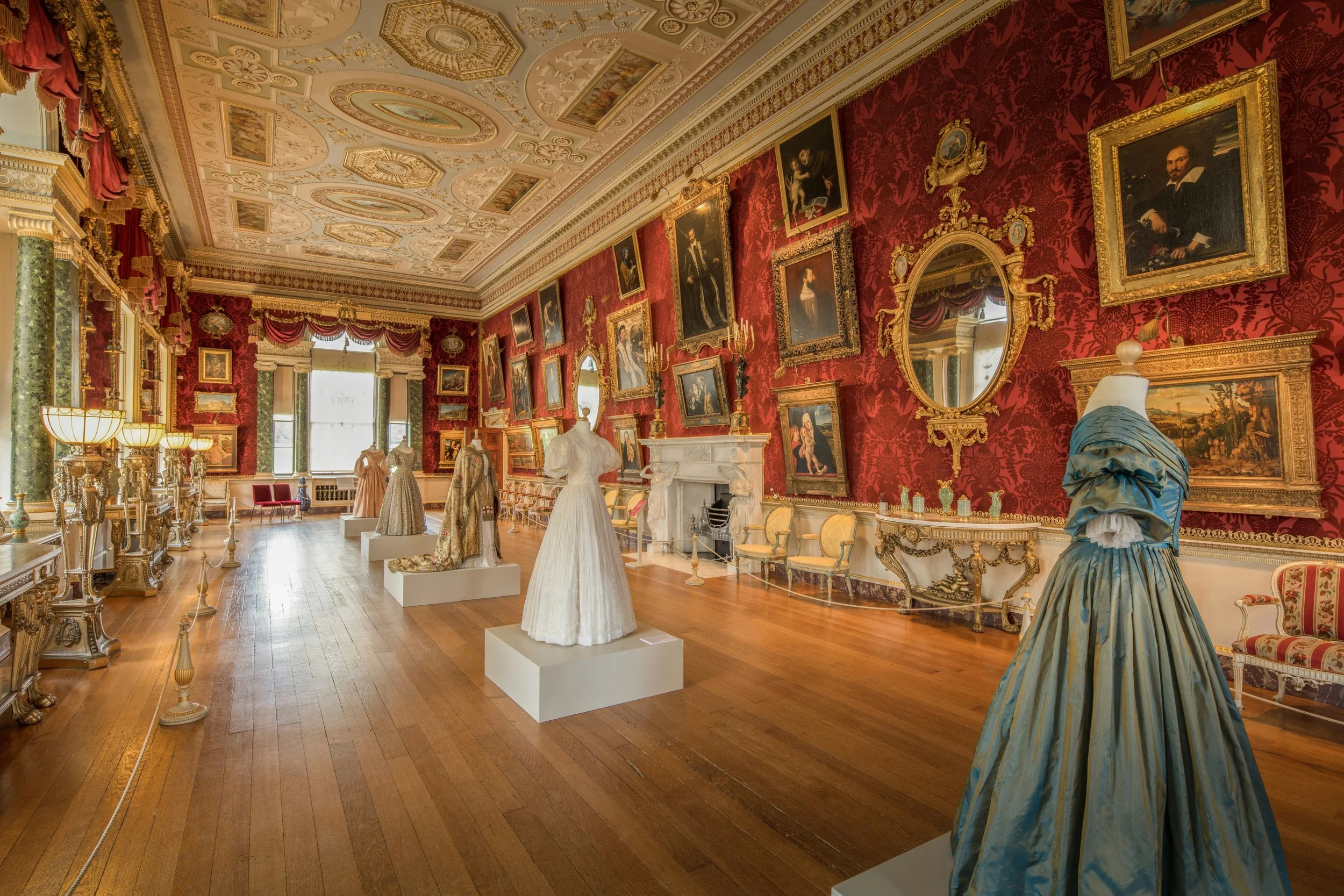
Remnants of the life that may have been recognisable to the Ton of Bridgerton still stand – perhaps most notably the Bear Pit in Headingley, once part of a zoological gardens opened in 1837 for the leisure of the wealthy. But, sadly, the buildings of the Regency era aren’t all that remains today from the Leeds of the past – the parts of the city that were once a playground for the super-rich were matched by dark, dirty slums in the South of the city, where rich North Leeds residents never dared to venture.
The city’s wealth was built on the backs of the working classes who flooded to the city during the industrial revolution; but the huge economic disparity of the time has left a legacy of inequality today that still shapes life in the city for many of us living here now. Leeds is now one of the most unequal cities in the country, with data from the last census showing that 34% of Leeds primary school pupils live in areas in the 10% most deprived nationally.
Alex Sobel MP wrote for the Guardian at the end of last year about the shocking inequality in his constituency Leeds Central and Headingley, which has the widest life expectancy gap in England. The difference between rich and poor within the half-hour walk from Far Headingley to Hyde Park reduces life expectancy by up to 14 years – over a decade of difference just a few streets away.
We have long been aware of the impacts of inequality on all sorts of social outcomes, from health and wellbeing, to crime, to academic achievement. Popularised in his book The Spirit Level, Richard Wilkinson explains his findings that all over the world, while gross national income impacts these social outcomes very little, the size of the gap between rich and poor individuals within a country has a massive impact on all these factors. This makes life worse for everybody – not just, as we would expect, for the poorest in an unequal society, but for those at the top too.
Our mission at Leeds Sanctuary is to help everyone in our city feel empowered to make a difference – and that power starts with knowing our roots and the history of our social surroundings. If you’d like to explore this more with a friendly group of creatives, join our next Sketch Walk on Wednesday 18th March at 5.30pm in the City Centre.